
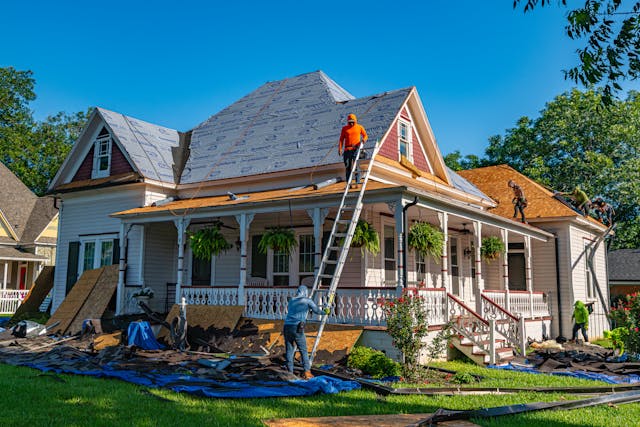
Something in your house is falling apart. Could be the hardwood floors that survived three generations, kitchen cabinets held together by hope and ancient paint, or those original windows from 1952 that rattle like maracas every time the wind picks up. Now comes the fun part: figuring out whether to restore what’s there or rip it out and start fresh.
This decision haunts homeowners because both options cost real money, and choosing wrong means living with regret every time you walk past that room.
Understanding What Restoration Actually Involves
Restoration means bringing damaged components back to functional and attractive condition without completely replacing them. Sounds straightforward until you realize how much work goes into properly restoring anything. Those hardwood floors need sanding, staining, multiple coats of finish, drying time between each coat. Kitchen cabinets require stripping old finish, repairing damage, possibly replacing hardware, refinishing everything. Windows need reglazing, repainting, weather stripping, possibly rebuilding sashes if rot got in there. The process takes longer than replacement and requires skilled labor that costs accordingly.
People romanticize restoration because it preserves original character and historical integrity. Valid point for homes with genuine historical value or unique craftsmanship you can’t replicate affordably today. Old growth wood, hand-carved details, specific architectural elements worth preserving. Home Restoration makes total sense when you’re dealing with irreplaceable components that define the character of your space. Less sense when you’re restoring generic builder-grade stuff from 1987 that wasn’t special when it was new.
When Replacement Makes More Practical Sense
Sometimes things are just too destroyed to save without losing your mind and your savings account. Water damage that ate through the structure. Rot that went so deep you’d need to rebuild half the wall anyway. Components so old they violate every building code written in the last three decades. Trying to restore severely trashed items often costs more than replacement and still leaves you with something that’ll fall apart in five years because the real problems were never actually fixed.
New stuff frequently works better than restored originals anyway. Modern windows insulate circles around restored single-pane versions that let winter air pour through like they’re not even there. Replacement cabinets with functioning hardware beat refinished originals with warped doors that won’t close and drawers that stick every single time. Sometimes the whole nostalgia and historical preservation thing has to take a backseat to actually having components that work properly and don’t cost a fortune to maintain.
Cost Comparison Gets Complicated Fast
Restoration looks cheaper at first glance because you’re not buying all new materials. Then the labor bills start arriving, and reality sets in hard. Skilled restoration work takes forever and the people who actually know what they’re doing charge accordingly. Stripping and refinishing cabinets properly eats up way more hours than just installing new ones. Restoring old windows frequently costs more than buying decent replacements once you add up all the repairs needed to make them actually functional.
Replacement hits you with big numbers upfront but at least you know what you’re paying. Materials, installation, hauling away the old stuff, warranty coverage. Everything’s included in one price before work starts. Restoration projects love revealing surprise problems once you’re already committed and can’t back out. Opening up those floors uncovers subfloor damage nobody saw coming. Refinishing cabinets exposes structural problems that need fixing. Window restoration discovers rot that spread into the framing. Every single one of these fun discoveries adds costs that weren’t anywhere near the original estimate you agreed to.
Evaluating Long-Term Value And Satisfaction
Think about how long you’re keeping the house. Staying for decades makes restoration more appealing because you’ll enjoy the preserved character long-term. Selling within a few years shifts calculation toward replacement because buyers typically value updated components over restored originals unless the restoration was exceptionally well done or the home has significant historical value.
Consider your actual attachment to the existing components. Genuinely love those original features and want to preserve them? Restoration makes sense despite higher costs and longer timelines. Indifferent about keeping originals and mainly want functional attractive components? Replacement probably serves you better.
Making The Decision Without Regret
Get multiple professional opinions before deciding. Restoration specialists will tell you what’s realistically salvageable and what costs look like. Contractors providing replacement quotes give you comparison numbers. Sometimes the cost difference is huge, sometimes surprisingly small. Can’t make an informed decision without real numbers from qualified professionals who’ve actually looked at your specific situation.
Factor in your tolerance for disruption. Restoration often takes longer and creates more ongoing mess than replacement. Living through cabinet refinishing means dealing with fumes and inaccessible kitchen space for extended periods. Floor restoration requires moving everything out, dealing with dust and noise, staying off floors during drying. Replacement is usually faster and more contained, though still disruptive.
The Bottom Line
Neither restoration nor replacement is automatically the right answer for damaged home components. Depends entirely on condition of existing components, your budget, how long you’re staying, whether originals have genuine value worth preserving, and your tolerance for disruption and uncertainty. Best decision comes from honest assessment of these factors rather than defaulting to whichever option sounds better in theory.
Sometimes preserving original character matters most. Sometimes getting it done efficiently with modern components makes more sense. Only you can decide which factors matter most for your specific situation and home.