
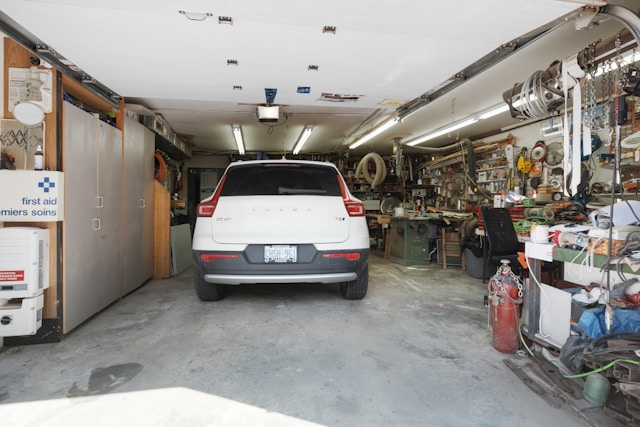
If you ask any professional mover which area of a home causes the most packing headaches, the garage or shed almost always tops the list. These spaces are packed with awkward tools, oversized equipment, sharp objects, and years’ worth of “I’ll deal with this later” storage. When it’s finally time to move, many homeowners realize just how complex this area really is—and how easily it can derail a well-planned relocation. The good news? With the right preparation and a clear game plan, you can streamline the process and avoid last-minute chaos.
Start With a Full Declutter
Garages and sheds tend to collect more clutter than any other room. Before you pack a single box, reduce the volume.
- Sort items into keep, donate/sell, recycle, and hazardous waste piles.
- Remove anything broken, rusted, or no longer useful.
- Check local disposal rules for chemicals, paint, fuel, and pressurized containers.
- Sell workable tools or equipment you don’t plan to keep—this can offset moving costs.
A lighter load means fewer boxes, safer transport, and a smoother moving day.
Organize Your Tools and Equipment
Once you’ve reduced the clutter, tackle the tools. This step requires patience and attention to safety.
- Bundle long-handled tools (rakes, shovels, brooms) with zip ties or rope.
- Pack sharp tools like saws, blades, or axes in protective sheaths or wrap them securely in thick towels.
- Drain fluids from lawnmowers, leaf blowers, and trimmers at least 24 hours before moving.
- Coil and secure extension cords, hoses, and cables so they travel neatly without tangling.
- Keep small hardware (screws, nails, brackets) in labeled containers.
The more organized your tools are before loading, the easier it will be to set up your new workspace after the move.
Pack Smart for Heavy and Bulky Items
Garages are full of items that don’t fit neatly into standard boxes. Proper packing prevents both damage and injury.
- Use sturdy, reinforced boxes for power tools or small machinery.
- Pack heavier items in smaller boxes to avoid overloading.
- Disassemble shelving units, workbenches, and storage racks if possible.
- Wrap metal items to prevent scratching or puncturing nearby belongings.
- For large outdoor equipment (grills, wheelbarrows, snow blowers), secure all movable parts with tape or straps.
If any item feels too heavy or awkward to move safely, let your movers handle it instead of risking injury.
Safety Considerations for Hazardous Materials
Garages often contain chemicals and substances professional movers are not legally allowed to transport. Plan ahead to handle these items correctly.
Items movers typically cannot move include:
- Gasoline, propane, or fuel tanks
- Fertilizers, pesticides, and weed killers
- Paints, solvents, and varnishes
- Compressed gas cylinders
- Fireworks and flammables
Dispose of these responsibly or move small quantities yourself if allowed by local regulations. When in doubt, consult your mover for guidance.
Consider Professional Packing for the Toughest Areas
Packing a garage or shed is rarely a quick job. If you’re overwhelmed or short on time, partnering with an experienced moving team can make a massive difference. A trusted company like Chipman Relocation has the expertise, equipment, and packing methods to tackle even the most cluttered and complex storage spaces safely.
A Smooth Move Starts With Preparation
Your garage or shed may feel intimidating to pack, but breaking the job into clear steps makes it manageable. Declutter thoroughly, organize tools carefully, pack heavy equipment with caution, and handle hazardous materials responsibly. When you start early and follow a structured approach, you’ll avoid last-minute stress and ensure your tools, equipment, and outdoor gear arrive safely at your new home.